
Spending + Spin-Offs
When I started Fever Dream Apparel, the plan was simple: build a small clothing brand, keep it intentionally manageable, and document the journey as I went. What I didn't expect was that somewhere along the way, I'd end up starting a software company too.
This episode is really about unexpected opportunities. It's about solving your own problems, knowing when to invest in an idea, and navigating the very real costs of building a business from the ground up.
Fever Dream Is Starting to Feel Real
Over the past few weeks, the business has finally started to become tangible.
Until now, Fever Dream has mostly existed as ideas, sketches, mood boards and spreadsheets. But recently, the first physical pieces of the brand have started arriving, and seeing those pieces in my hands has made this project feel incredibly real.
The woven garment tags have arrived, my fabric has been ordered, and the first production run is officially underway.
The Garment Tags
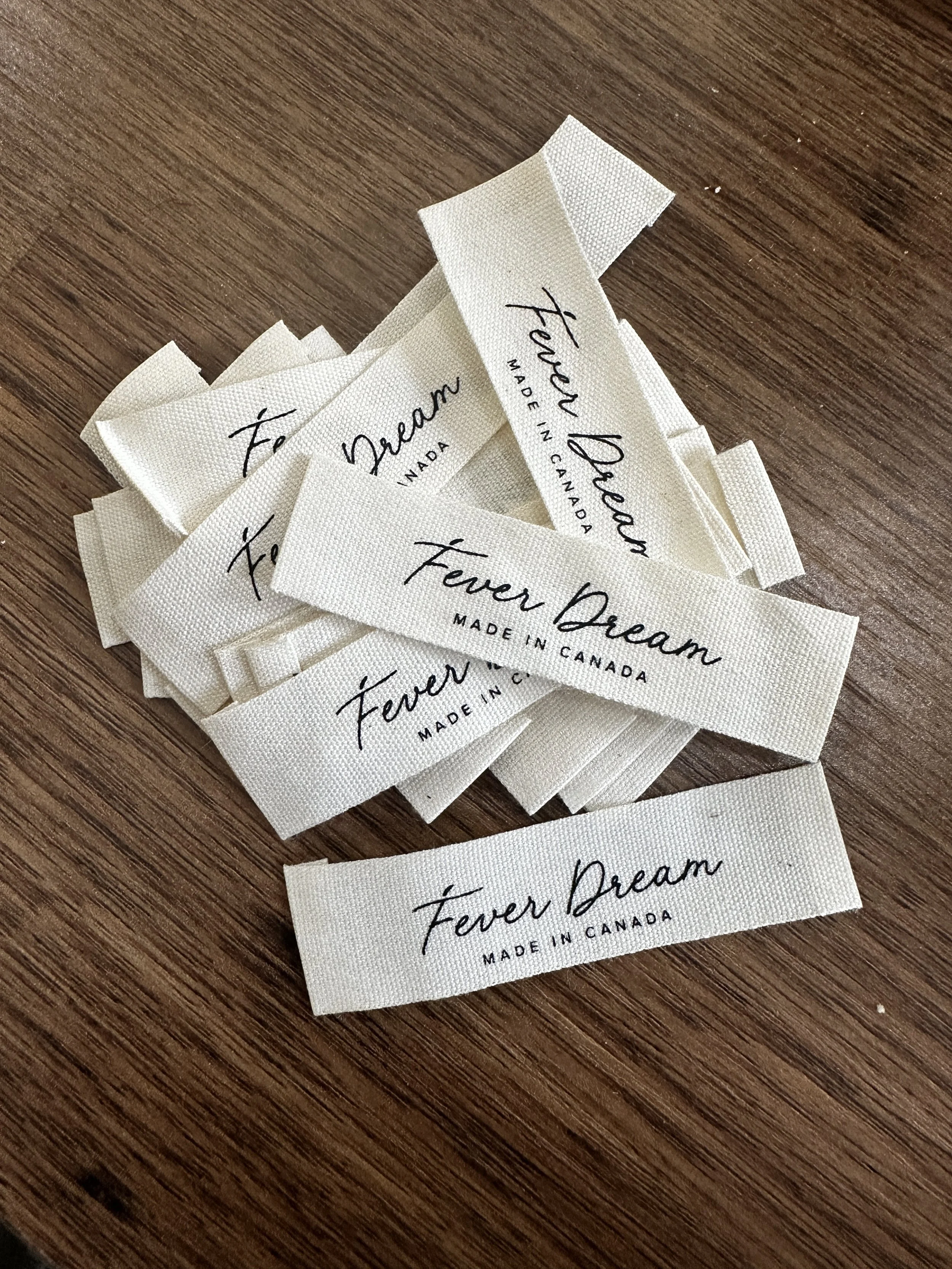
One of the first branding decisions I made was investing in custom woven labels instead of printed tags.
It's a relatively small detail, but it's also one of the few parts of a garment that every customer interacts with every single time they wear it. I wanted that experience to feel thoughtful and premium.
For the first collection I've created:
Woven Fever Dream Apparel brand labels
Separate woven size tags
Content labels (currently being produced locally)
A registered Canadian CA number for garment compliance
Separating the size tag from the main brand label also makes production much more efficient. Rather than ordering multiple versions of every brand label, I only need one primary woven label and can pair it with whichever size tag is required during production.
Sometimes the best production decisions aren't the most obvious—they're the ones that quietly make your business easier to manage as it grows.
Choosing the First Fabrics
Fabric selection ended up being far more strategic than simply picking my favourites.
When I first imagined Fever Dream, I pictured bright colours and playful spring fabrics. But by the time production timelines were finalized, we were heading into fall, so I completely shifted the direction of the first collection.
My goal became creating pieces that still felt relaxed, expressive and comfortable while transitioning naturally into cooler weather.
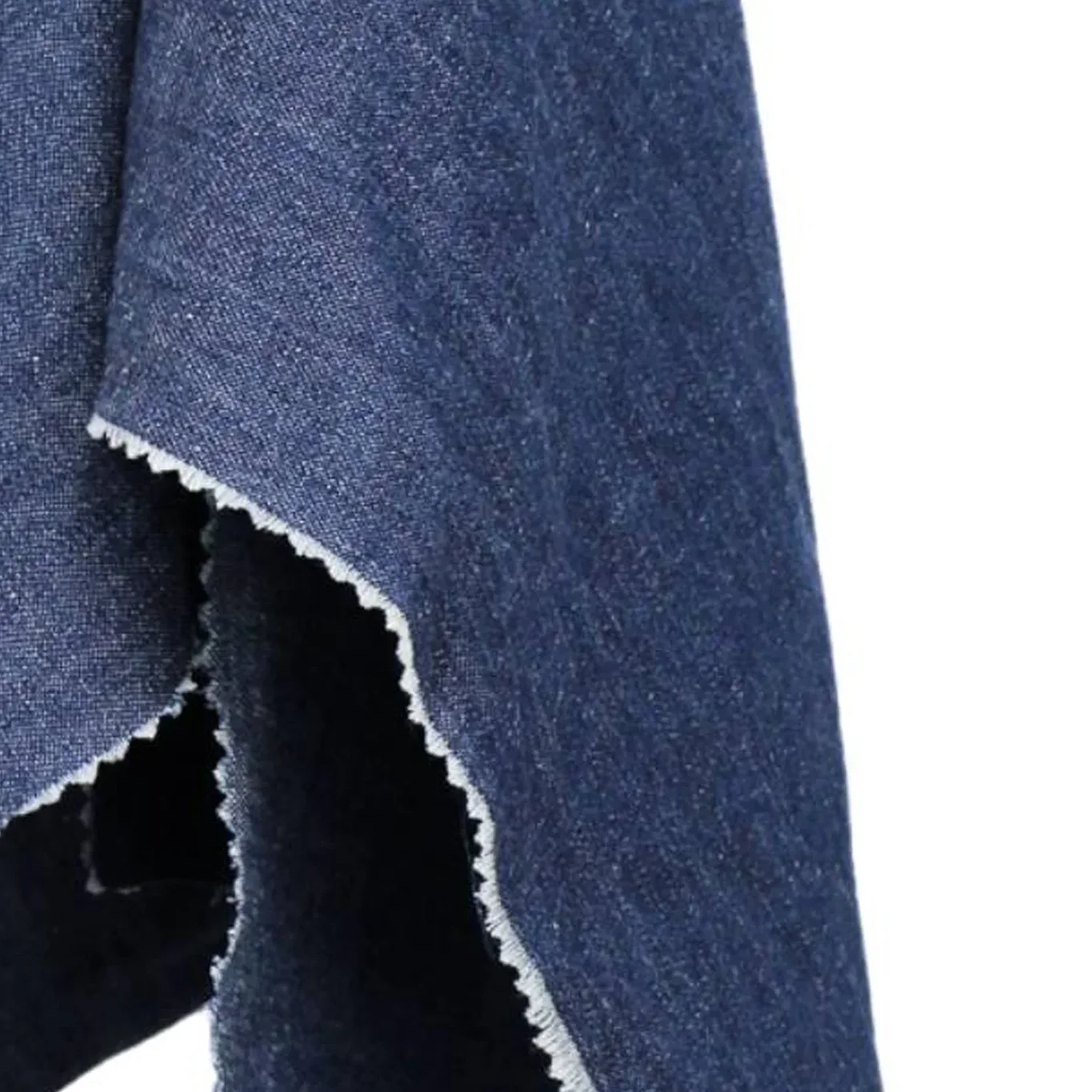
Organic Cotton & Hemp Denim
Although it has the appearance of denim, this fabric feels much softer and has a beautiful drape. It's designed to become that everyday pair of pants that works with almost everything while still feeling elevated.
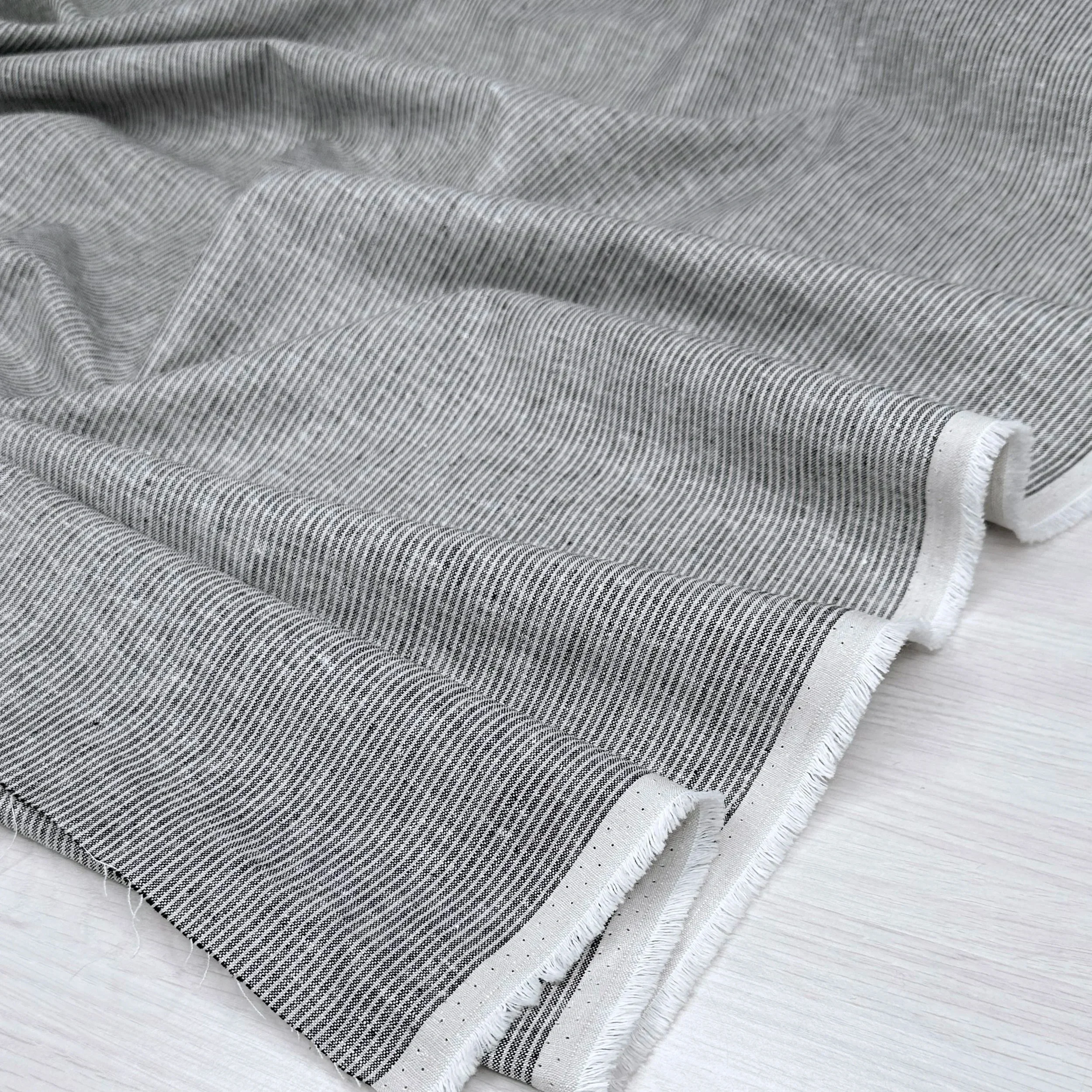
Black & Natural Stripe
The stripe introduces a little more personality while remaining incredibly versatile.
Interestingly, this fabric also costs more to manufacture—not because the fabric itself is significantly more expensive, but because the stripe must always run in the same direction. Unlike a solid fabric, the pattern pieces can't simply be rotated to maximize yield, meaning more fabric is required for every production run.
It's one of those hidden costs that customers never see but every apparel brand has to account for.
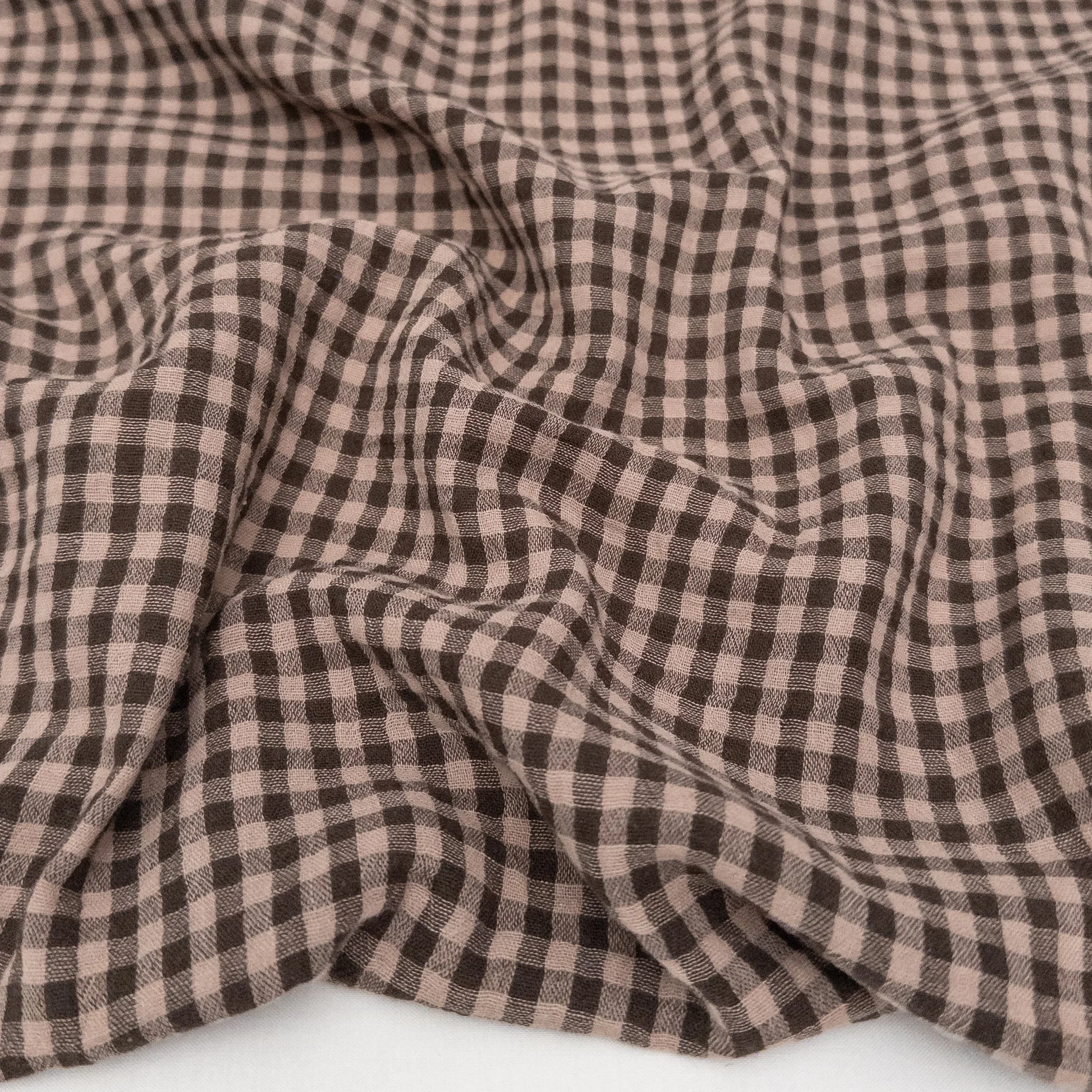
Espresso Gingham
This organic cotton gauze has a relaxed, soft texture that feels effortless while still being incredibly wearable.
It's neutral enough to pair with almost anything but brings much more character than a basic solid fabric.
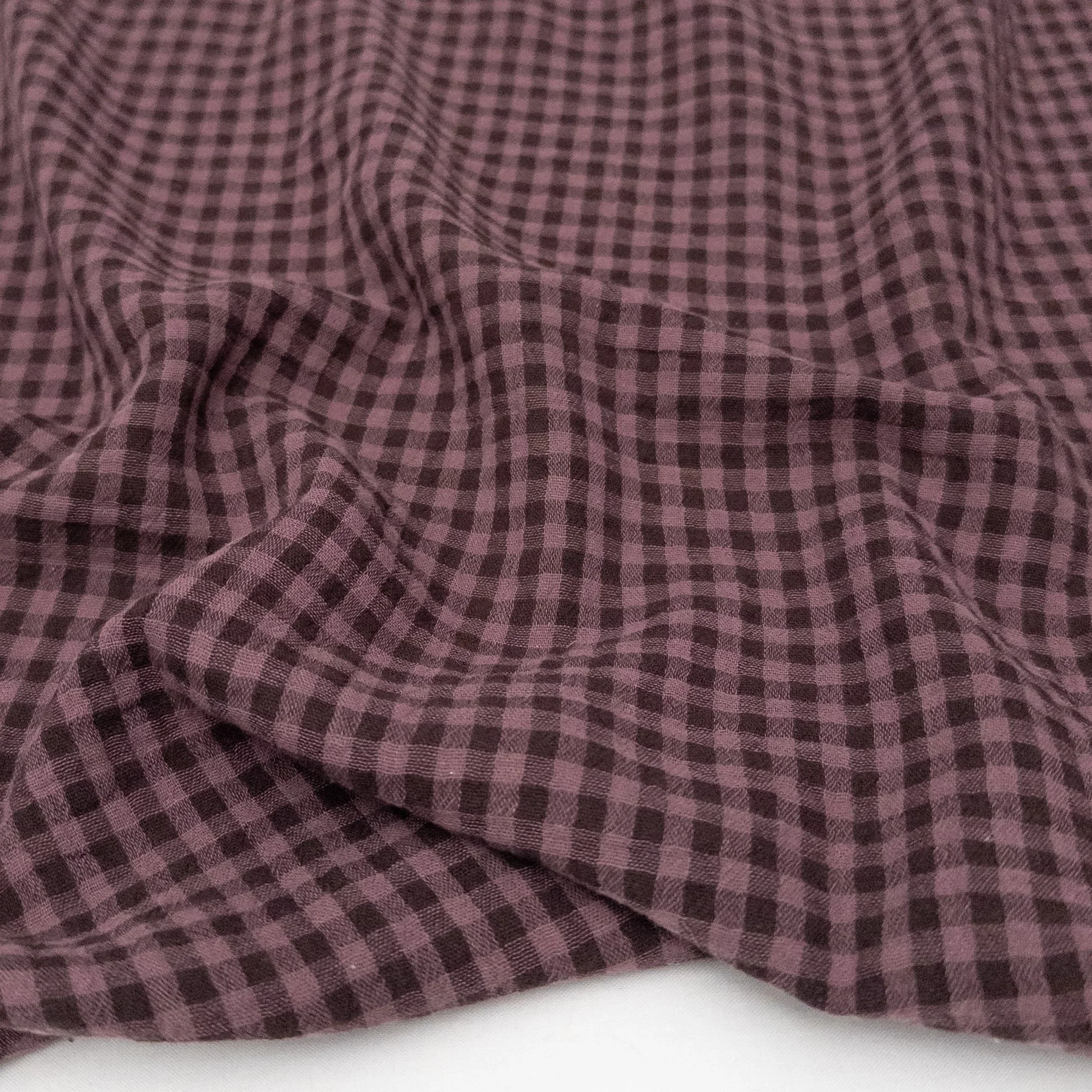
Plum Gingham
This one might be my favourite.
It's playful without feeling loud and perfectly captures the personality I want Fever Dream to embody—comfortable, expressive and just a little unexpected.
strategic design
One thing this process has reinforced is that every design decision has financial consequences.
During my production meetings, we went through every single detail of the garment asking questions like:
Will customers actually notice this?
Does this improve the garment enough to justify the added cost?
Where should we simplify?
Where should we spend a little extra?
A perfect example was the back pockets.
Originally, I wanted two back pockets on the pants. But after reviewing the production costs, I realized those pockets would significantly increase the manufacturing cost while adding very little value for most customers.
Instead, I chose to invest in beautiful topstitching—a detail that gives the garment a much more refined finish while adding only a minimal increase to production costs.
Those are the kinds of decisions that quietly determine whether a product business is sustainable.
Manufacturing Is a Giant Puzzle
As exciting as it is to see the first pieces coming together, apparel manufacturing is still an incredibly complicated process.
Fabric.
Labels.
Thread.
Elastic.
Patterns.
Production schedules.
Shipping.
Inventory.
If even one of those pieces is missing, production can come to a complete stop.
Years ago, I experienced that firsthand. There were times when fabric was sitting at the factory ready to be cut, only to realize I had forgotten to reorder my brand labels. Other times I had plenty of fabric but had run out of trim.
Those seemingly small oversights became expensive delays that rippled through the entire production process.
I promised myself I'd never manage production that way again.
Building a Tool to Solve My Own Problem
Since I'd already been experimenting with AI development tools, I decided to build something for myself.
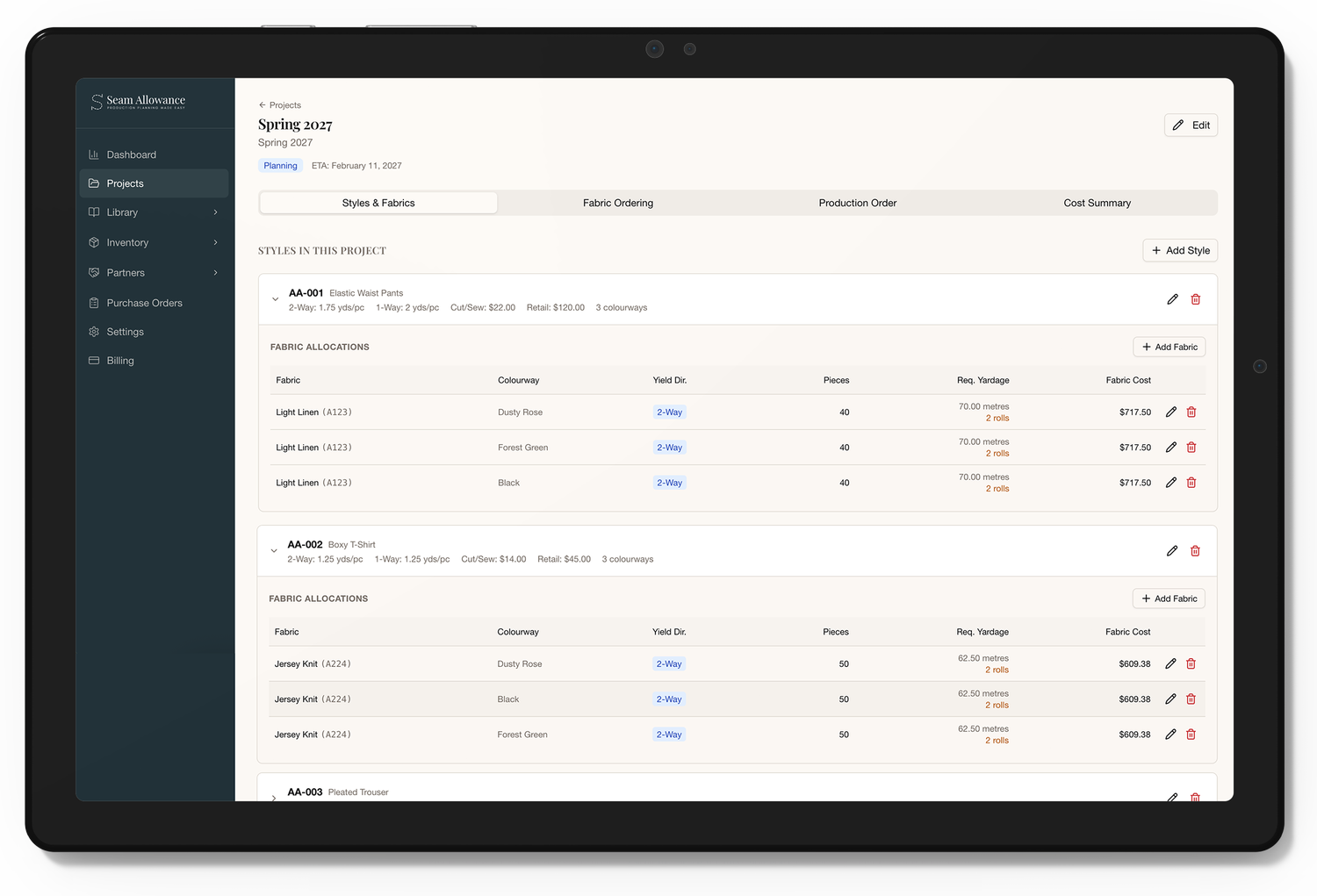
The original goal was incredibly simple: create one place where I could track my fabrics, labels, styles, inventory, costs and production orders. From there, I wanted everything to flow into a clean purchase order that I could send directly to my production team.
As I kept building, the tool became much more powerful than I expected.
Not only could it organize every aspect of production, but it also allowed me to compare material costs, calculate profit margins, monitor inventory levels and make much more informed business decisions.
Instead of relying on spreadsheets and rough estimates, I suddenly had real data helping me decide which fabrics made financial sense and how different production decisions would affect profitability.
When One Business Became Two
The turning point came when I showed the tool to my production team.
Rather than simply saying it was a clever internal system, their response was immediate:
"Other clothing brands need this."
That conversation stayed with me.
To validate the idea, I reached out to the woman who now owns my previous apparel company and asked what she was using to manage production today.
Her answer surprised me.
Years later, she was still relying on essentially the same spreadsheets we had always used.
That's when I realized this wasn't just a personal productivity tool.
It might actually solve a much bigger industry problem.
And just like that, Seam Allowance was born.
The Reality of Startup Costs
One thing I've been thinking about a lot lately is how social media often portrays entrepreneurship.
It's easy to believe that all you need is a great idea and enough determination to build a successful business. While there are certainly businesses that can be started with relatively little investment, that's far from the whole picture.
Every business requires resources.
Whether it's software, inventory, websites, marketing, product development or professional expertise, there are costs involved.
The important question isn't whether starting a business costs money.
It's whether you're making thoughtful decisions about where that money goes.
That's become the framework I'm using for every decision I make.
Looking Ahead
Right now, both businesses are in a waiting phase.
I'm waiting on garment samples.
I'm waiting on software development.
I'm waiting to begin my pilot program.
And while waiting can be one of the hardest parts of entrepreneurship, it's also exciting knowing that both of these ideas are slowly becoming real.
I'll continue sharing every step—the wins, the mistakes and everything in between.
Thanks for following along.